
Our Blog
Maxivision Eye Care Blog
Learn more about optometrist care in our blog!

Are you constantly reaching for your reading glasses to check your phone, read a menu, or work on your computer? For many adults over 40, switching between glasses throughout the day becomes frustrating. At Maxivision Eye Care in Naperville, IL, we understand how changing vision needs can interfere with an active lifestyle. Modern multifocal contact lenses offer a convenient way to see at multiple distances without constantly relying on reading glasses.
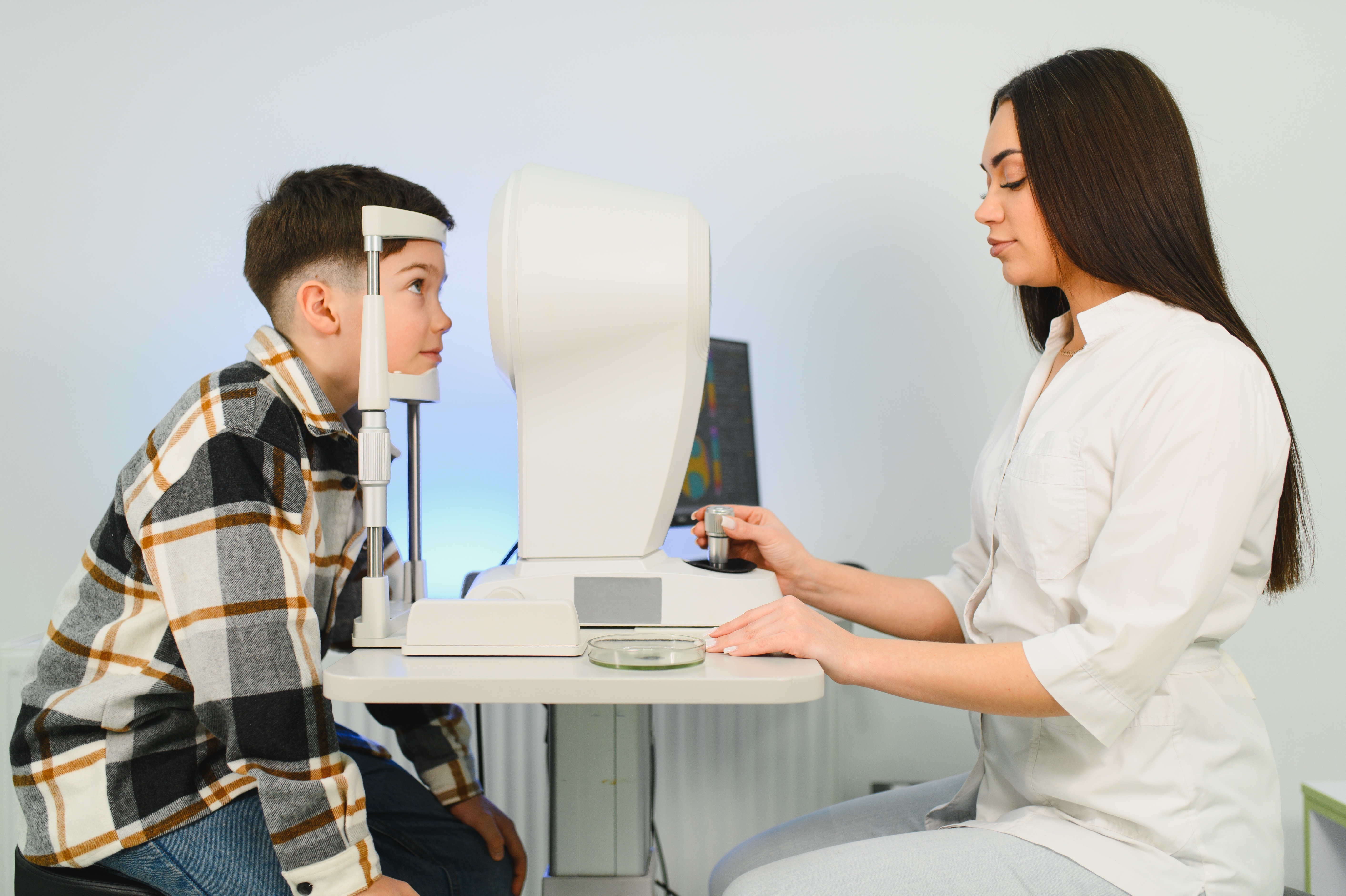
When children return to school, their vision affects nearly every part of the day. They need to see the board, follow words across a page, use digital devices, and shift focus between near and distant objects. A school vision screening may identify an obvious distance vision problem, but it does not provide a complete picture of how a child sees or how well the eyes function together.

Swimming is a refreshing way to stay active during a warm Encino summer, but contact lens wearers need to take extra precautions before entering the water. Chlorinated pools may look clean, yet pool water can still contain microorganisms and other substances that should not become trapped between a contact lens and the eye.
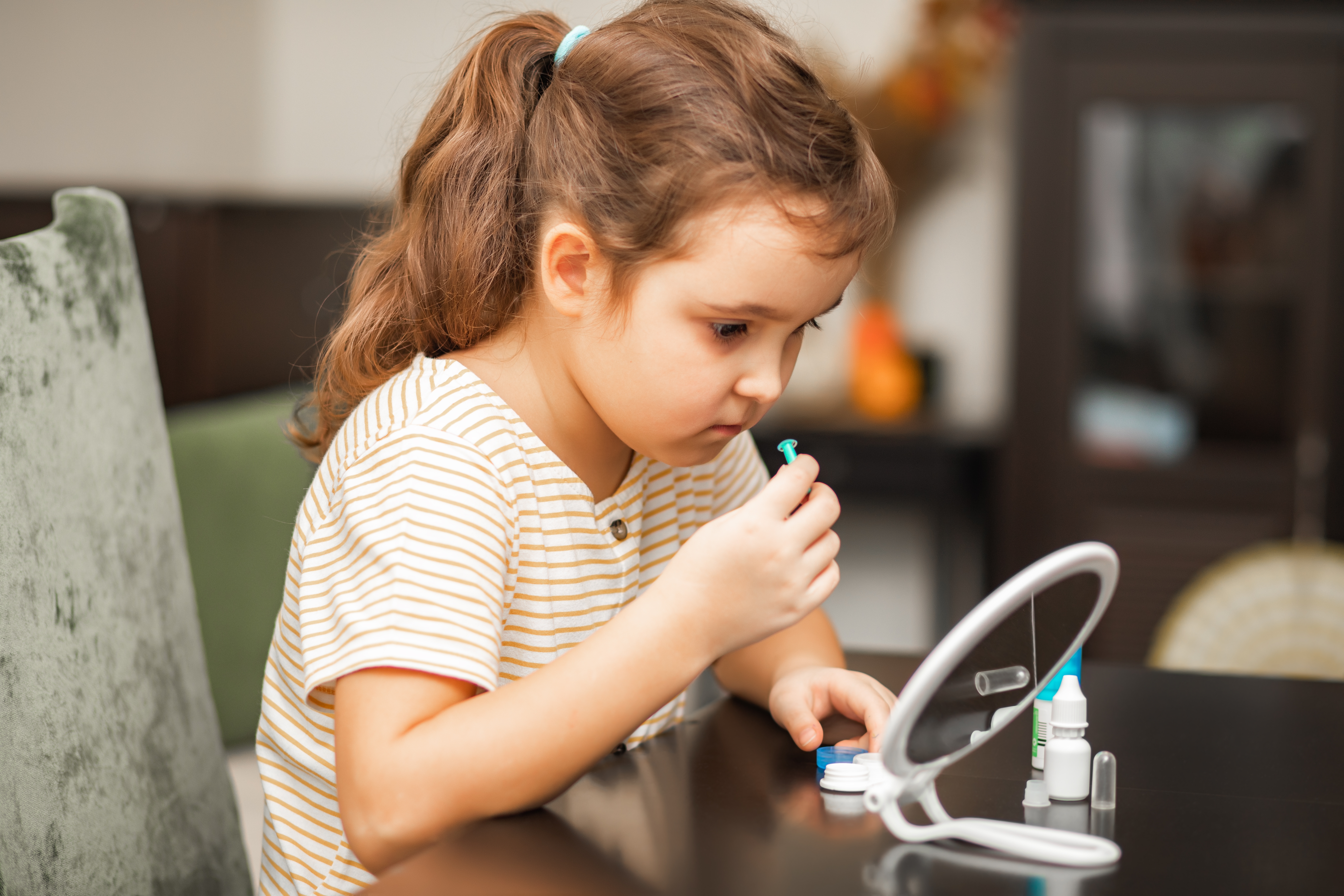
Summer can be an exciting time for kids in Naperville, from camp and playgrounds to sports, travel, and long days outside. For children with myopia, also called nearsightedness, glasses can sometimes feel limiting during active routines. MiSight contact lenses offer a daily disposable option designed for children with myopia, helping them see clearly while also supporting myopia management.
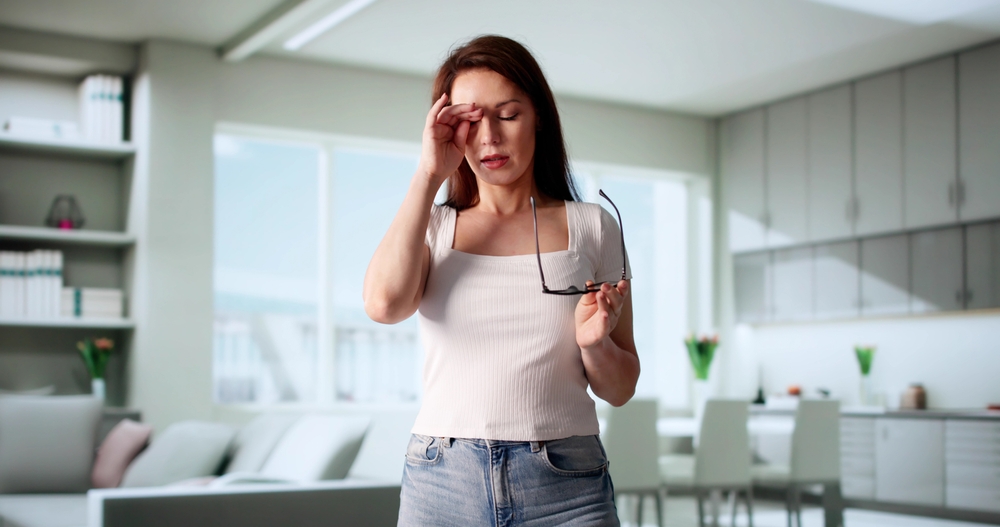
Dry eye can affect anyone, but women are more likely to experience ongoing dryness, burning, irritation, and fluctuating vision. At Maxivision Eye Care in Naperville, IL, we often see women who have tried artificial tears but still feel uncomfortable throughout the day. One reason is that hormones can play a major role in tear production and tear quality.
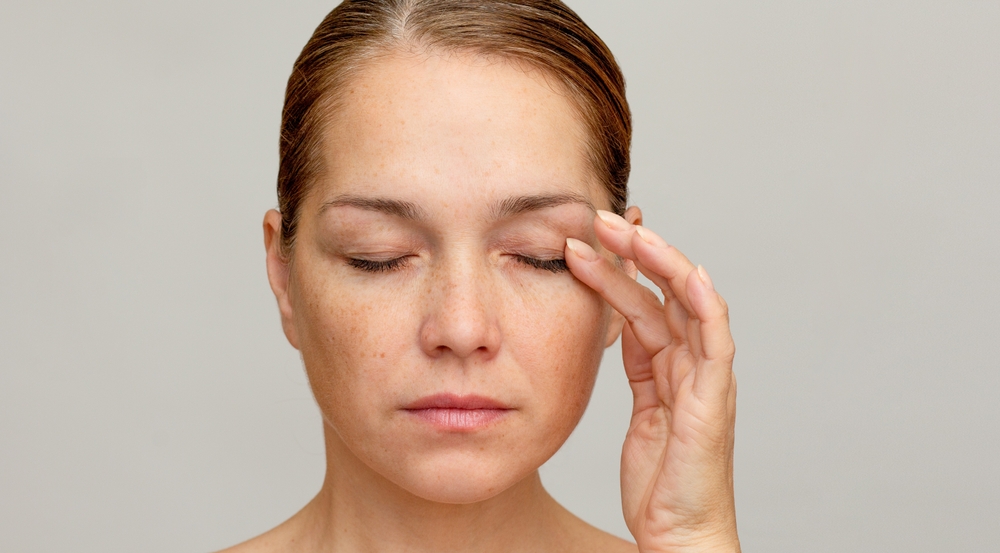
When people think about eye comfort, they often focus on glasses, contact lenses, or dry eye drops. However, the eyelids play a major role in keeping the eyes comfortable and protected. Our eyelids help spread the tear film, remove debris, and support the oil glands that keep tears from evaporating too quickly.
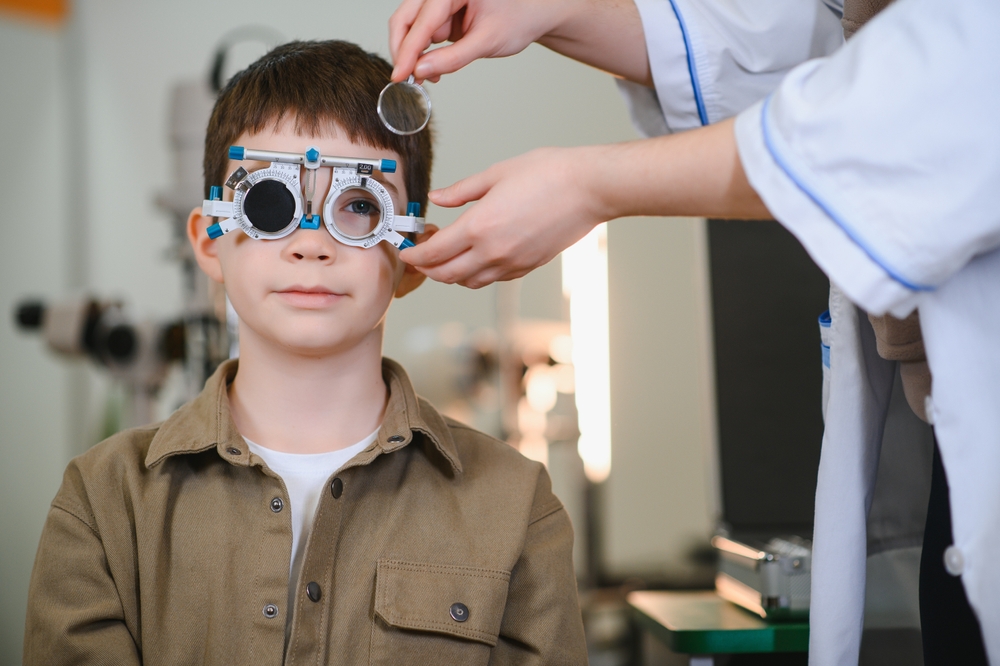
As children grow, they may not always realize that what they are seeing is not clear. That is one reason vision problems can go unnoticed for longer than many families expect. Pediatric eye care plays an important role in helping children stay comfortable, confident, and supported both in and out of the classroom.

Spending time outdoors is good for your overall wellness, but it also increases your exposure to ultraviolet (UV) rays. Over time, UV light can contribute to eye conditions like cataracts, macular degeneration, and growths on the surface of the eye.
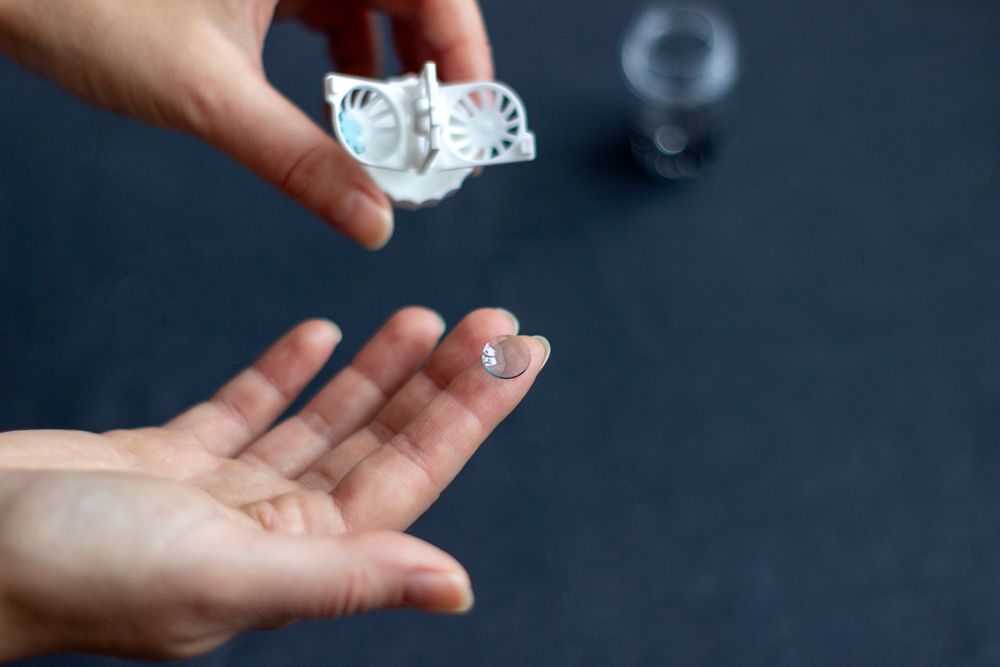
For individuals who want clear vision without relying on glasses or daytime contact lenses, Orthokeratology (commonly known as Ortho-K) offers an innovative solution.
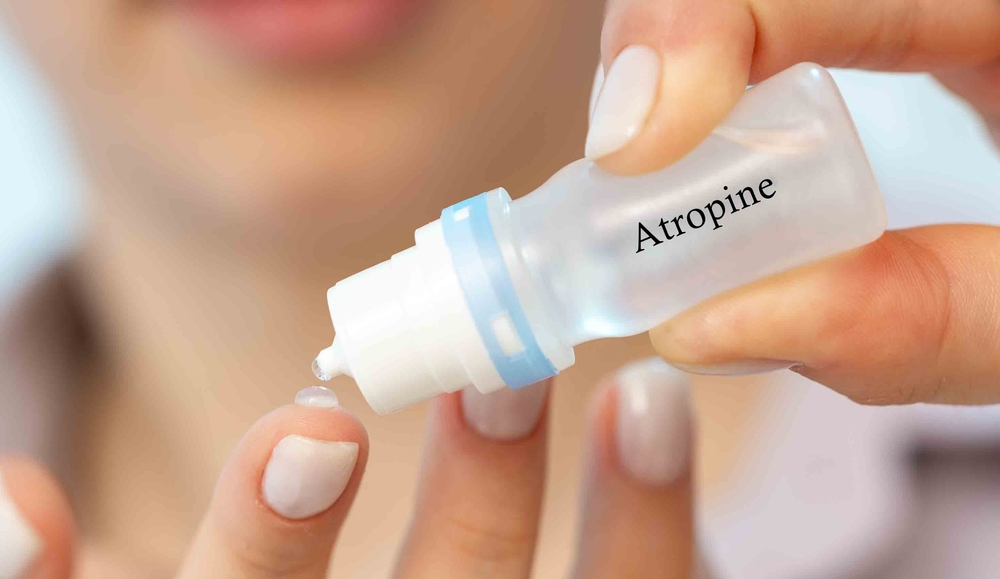
Childhood myopia is on the rise, and simply updating glasses or contact lenses isn’t enough to slow its progression. Myopia develops as the eye grows too long, and in many children this growth continues year after year. Low-dose atropine eye drops are one of the most widely studied treatments available today, helping slow eye growth and reduce the long-term risks associated with worsening nearsightedness.
MAP
Powered by: 
