
Women and Dry Eye: Why Hormones Matter
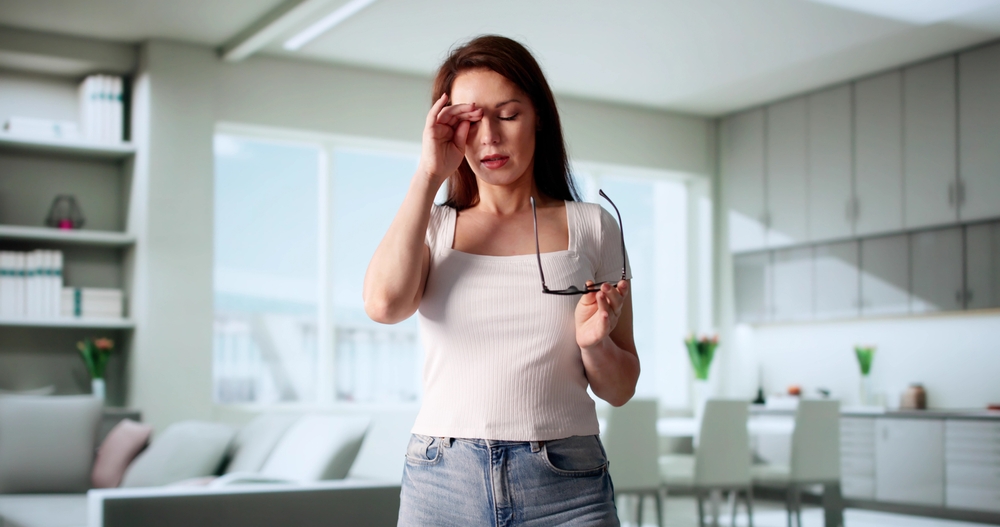
Dry eye can affect anyone, but women are more likely to experience ongoing dryness, burning, irritation, and fluctuating vision. At Maxivision Eye Care in Naperville, IL, we often see women who have tried artificial tears but still feel uncomfortable throughout the day. One reason is that hormones can play a major role in tear production and tear quality.
Understanding the connection between hormones and dry eye can help you know when symptoms are more than a temporary annoyance.
How Hormones Affect Tear Production
Your tear film has three important layers that work together to keep the eyes moist, clear, and comfortable. Hormonal changes can affect the glands that produce oil and moisture for the tear film. When these glands do not function properly, tears may evaporate too quickly or fail to protect the eye surface.
This is why dry eye symptoms may become more noticeable during certain stages of life, including pregnancy, perimenopause, menopause, or while using certain hormone-related medications. For many women in Naperville, dry eye is not caused by one single factor but by a combination of hormonal changes, screen use, allergies, contact lens wear, and environmental triggers.
Common Dry Eye Symptoms In Women
Dry eye can feel different from person to person. Some women notice constant dryness, while others have watery eyes because their eyes are overcompensating for irritation.
Common symptoms include:
- Burning, stinging, or gritty eyes
- Redness or irritation
- Watery eyes
- Blurry or fluctuating vision
- Light sensitivity
- Contact lens discomfort
- Eye fatigue after reading or screen use
If these symptoms happen often, it may be time to schedule a dry eye evaluation instead of relying on over-the-counter drops alone.
Menopause And Dry Eye
Menopause is one of the most common times for women to develop dry eye symptoms. Changes in estrogen and androgen levels can affect the meibomian glands, which produce the oil layer of the tear film. Without enough healthy oil, tears evaporate faster and the eyes may feel dry, tired, or irritated.
At our Naperville eye care office, we evaluate the surface of the eye and look for signs of tear film instability, inflammation, and gland dysfunction. This helps us recommend care based on the cause of your dry eye, not just the symptoms.
Why Artificial Tears May Not Be Enough
Artificial tears can provide short-term relief, but they do not always address the underlying reason for dry eye. If hormones, inflammation, or meibomian gland dysfunction are involved, symptoms often return quickly.
A comprehensive dry eye exam allows us to understand what is happening and create a treatment plan that fits your needs. Depending on your eyes, care may include changes to your daily routine, prescription eye drops, lid hygiene, in-office treatment options, or contact lens adjustments.
Dry Eye Care In Naperville, IL
Women do not have to accept dry, irritated eyes as a normal part of aging or hormonal change. With the right diagnosis and treatment plan, dry eye symptoms can often be managed more effectively.
At Maxivision Eye Care, we take the time to listen to your symptoms, evaluate your eye health, and recommend personalized dry eye care for women in Naperville and nearby communities.
If dry, irritated, or watery eyes are affecting your comfort, contact Maxivision Eye Care in Naperville, IL at 4931 IL-59, Unit 115 by calling (630) 895-8015 to schedule an appointment.
MAP
Powered by: 
