

UV Protection and Sunglasses: How to Safeguard Your Eyes Outdoors
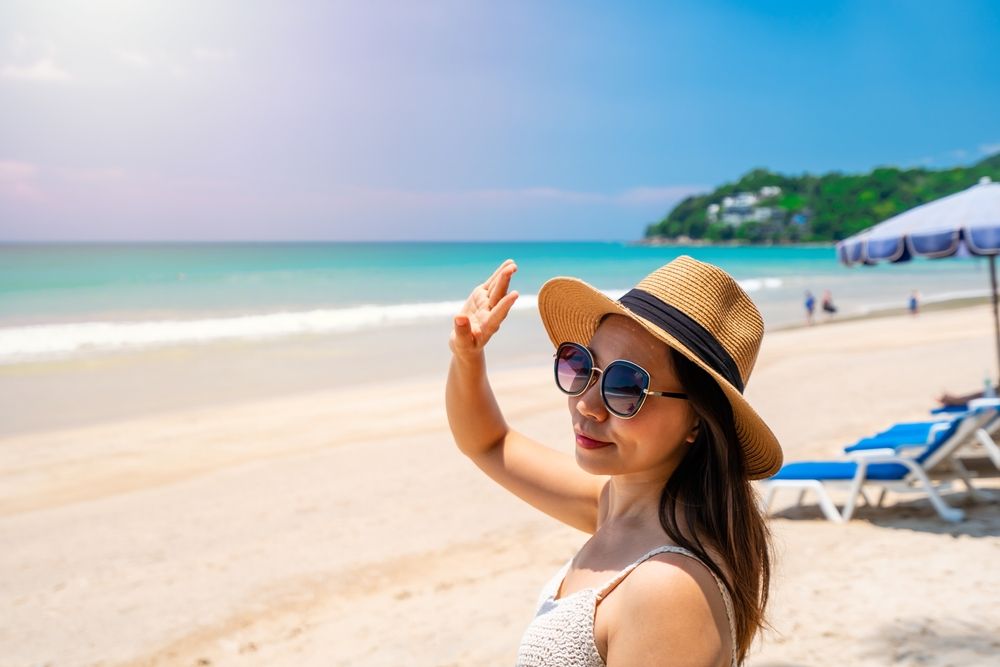
Spending time outdoors is good for your overall wellness, but it also increases your exposure to ultraviolet (UV) rays. Over time, UV light can contribute to eye conditions like cataracts, macular degeneration, and growths on the surface of the eye. Even short daily routines—driving, walking the dog, running errands—can add up, which is why UV protection and sunglasses should be part of your everyday eye care.
Understanding UVA and UVB Exposure
UV radiation is typically discussed in two main types: UVA and UVB. Both can affect the eyes, and exposure is not limited to sunny summer days. UV rays pass through clouds, reflect off water and pavement, and can be stronger at higher elevations or during midday. Snow and sand also reflect a significant amount of UV light, increasing the chance of irritation and long-term damage.
What to Look for in Sunglasses That Actually Protect
Not all sunglasses provide meaningful UV protection. Dark lenses without proper UV blocking can be risky because they may cause your pupils to dilate, letting in more UV light. The protection comes from the lens coating, not the tint.
Look for these features when shopping:
100% UVA and UVB protection (often labeled UV400)
Larger frames or wraparound styles to reduce side light
Polycarbonate or impact-resistant lenses for active outdoor use
Polarized lenses to reduce glare from water, roads, and windows
Proper fit that sits close enough to shield without touching lashes
Polarized vs UV Protection – Know the Difference
Polarization reduces glare, which can improve comfort and visibility when driving, fishing, boating, or spending time near reflective surfaces. However, polarized lenses are not automatically UV-protective. You can have polarized lenses with poor UV blocking, and you can have non-polarized lenses with excellent UV protection. For safeguarding your eyes outdoors, prioritize 100% UV protection first, then add polarization if glare reduction matters for your lifestyle.
Protecting Kids and Teens in the Sun
Children’s eyes can be more vulnerable to UV exposure because their lenses are clearer and allow more UV light to reach the retina. If your child plays sports, spends time at the park, or walks to school, sunglasses should be as routine as sunscreen. Consider durable frames and impact-resistant lenses, plus a comfortable fit that encourages consistent wear.
Protect Your Eyes Year-Round – Book Your Eye Exam Today
Sunglasses are a simple habit with long-term benefits. Keep a pair in your car, choose lenses that match your daily activities, and replace scratched lenses that reduce clarity. If you wear prescription glasses, prescription sunglasses can help you see clearly while staying protected. During an eye exam, our optometrist can also recommend lens options that fit your needs, including UV-protective coatings and sunglasses designed for driving or outdoor work.
To get personalized UV protection recommendations, schedule a comprehensive eye exam at Maxivision Eye Care. Visit our office in Naperville, Illinois, or call (630) 895-8015 to book your appointment today.
MAP
Powered by: 
