

Is a Diabetic Eye Exam Different From a Regular Eye Exam?
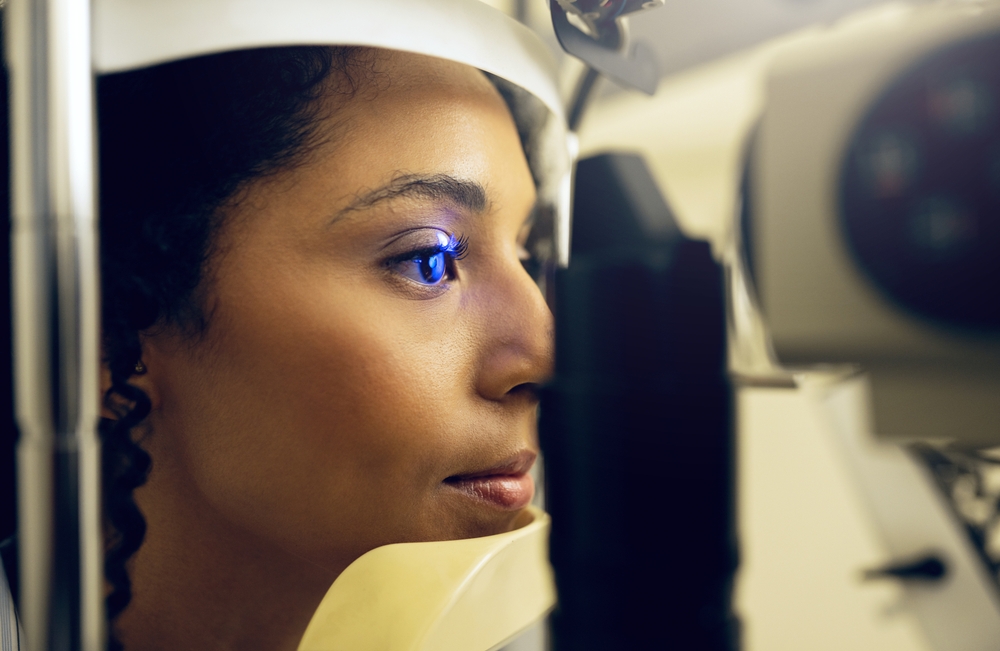
If you have diabetes, you’ve likely been told that regular eye exams are especially important. But many patients wonder: Is a diabetic eye exam different from a regular eye exam? While both exams are essential for maintaining good vision, a diabetic eye exam includes additional steps specifically designed to detect eye conditions caused by diabetes - often before symptoms appear.
What Is a Regular Eye Exam?
A regular comprehensive eye exam is designed to evaluate your overall vision and eye health. During this exam, your eye doctor will typically:
• Check your visual acuity (how clearly you see)
• Determine if you need glasses or contact lenses
• Measure eye pressure to screen for glaucoma
• Examine the front and back of the eye for common eye diseases
• Assess how well your eyes work together
These exams are important for patients of all ages and help detect issues like nearsightedness, farsightedness, astigmatism, cataracts, and glaucoma.
What Is a Diabetic Eye Exam?
A diabetic eye exam is a specialized, more in-depth evaluation focused on identifying eye damage caused by diabetes. High blood sugar levels can damage blood vessels in the retina, leading to serious conditions such as diabetic retinopathy, diabetic macular edema, glaucoma, and cataracts.
In addition to everything included in a regular eye exam, a diabetic eye exam often includes:
• Dilated retinal exam: Eye drops are used to widen (dilate) your pupils so the doctor can closely examine the retina and optic nerve.
• Detailed blood vessel evaluation: Your doctor looks for leaking, swelling, or abnormal blood vessels in the retina.
• Macular assessment: The macula is checked for swelling or fluid that can affect central vision.
• Ongoing comparison: Images or findings may be compared year over year to track changes related to diabetes.
These extra steps allow eye doctors to catch diabetic eye disease early - sometimes before vision changes occur.
Why Are Diabetic Eye Exams So Important?
Diabetic eye conditions often develop silently. You may not notice any vision changes until the damage is advanced and harder to treat. Regular diabetic eye exams allow for:
• Early detection of diabetic retinopathy
• Timely treatment to prevent vision loss
• Better coordination with your primary care doctor or endocrinologist
• Long-term preservation of vision
The American Diabetes Association recommends that most patients with diabetes receive a comprehensive dilated eye exam at least once a year, or more frequently if changes are detected.
Keep Your Vision Healthy for the Long Term
While a regular eye exam checks your overall vision and eye health, a diabetic eye exam goes further by closely monitoring the effects diabetes can have on your eyes. Both exams are important, but if you have diabetes, a dedicated diabetic eye exam is essential for protecting your sight and preventing vision loss.
If you have diabetes or have been recently diagnosed, don’t wait for symptoms to appear. Schedule a diabetic eye exam at Maxivision Eye Care to stay ahead of eye disease. Visit our office in Naperville, Illinois, or call (630) 904-1900 to book your appointment today.
MAP
Powered by: 
