

How Atropine Drops Work to Slow Myopia Progression
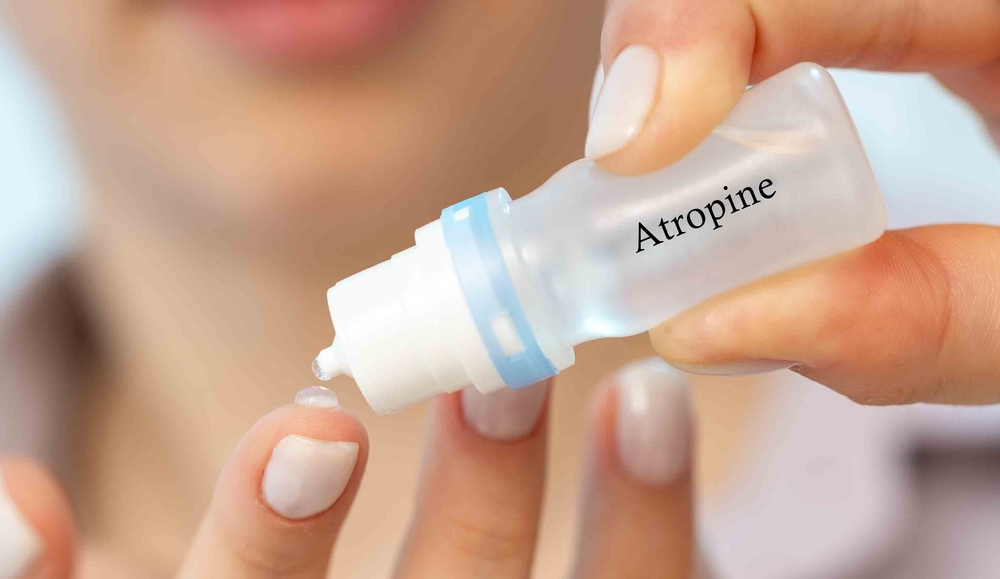
Childhood myopia is on the rise, and simply updating glasses or contact lenses isn’t enough to slow its progression. Myopia develops as the eye grows too long, and in many children this growth continues year after year. Low-dose atropine eye drops are one of the most widely studied treatments available today, helping slow eye growth and reduce the long-term risks associated with worsening nearsightedness.
Understanding Myopia Progression
Myopia occurs when the eye grows too long from front to back, causing distant objects to appear blurry. In children, myopia often worsens year after year as the eyes continue to grow. Traditional glasses and contact lenses help correct vision, but they do not slow the underlying progression of myopia. This is where atropine drops play an important role.
What Are Atropine Eye Drops?
Atropine eye drops have been used in eye care for decades, traditionally at higher concentrations to dilate the pupils or relax focusing muscles during eye exams. For myopia management, however, atropine is prescribed in very low concentrations, which are specifically designed to slow eye growth while minimizing side effects.
How Atropine Slows Myopia Progression
Low-dose atropine works by influencing the biological signals that control eye growth. While researchers are still studying the exact mechanism, atropine is believed to reduce excessive elongation of the eye by acting on receptors in the retina and sclera. By slowing this abnormal growth, atropine helps reduce how quickly myopia worsens over time.
Importantly, atropine does not reverse myopia or eliminate the need for glasses or contact lenses. Instead, its goal is to slow progression, helping protect long-term eye health and reduce the risk of high myopia in adulthood.
What to Expect with Atropine Treatment
Atropine drops are typically used once daily, often before bedtime. Most children tolerate low-dose atropine very well. Because the concentration is low, side effects such as light sensitivity or difficulty with near vision are minimal or nonexistent for most patients. Regular follow-up visits are essential to monitor eye growth, prescription changes, and overall treatment effectiveness.
Atropine therapy is often used alongside other myopia management strategies, such as specialized contact lenses, glasses, or lifestyle recommendations like increasing outdoor time and managing screen use.
Schedule Your Child’s Eye Exam Today
Atropine eye drops are a safe, effective, and research-backed option for slowing myopia progression in children. By addressing the root cause of myopia rather than just correcting vision, atropine helps protect long-term eye health and reduce the risk of serious complications later in life. Early intervention is key, and myopia management can make a meaningful difference in preserving your child’s vision for the future.
Contact Maxivision Eye Care to schedule a myopia management consultation and learn whether atropine eye drops could be the right solution for your child’s vision and long-term eye health. Visit our office in Naperville, Illinois, or call (630) 904-1900 to book your appointment today.
MAP
Powered by: 
